November Musings

November is a transition month. We’re moving from a relatively quiet time on the schedule to the busier holiday season and from fall to winter, though technically winter doesn’t officially start for a few weeks yet. It’s been nice to have some quiet times and breathing space.

Though our fall color came late and didn’t last very long this year, there are still vestiges of it left. I like not only the fall leaves still on the trees, but the bunches of them on the ground. I have trouble with the colorlessness of winter, so I treasure up whatever I can find of fall color until the first signs of spring.

What I’ve been into this month:

  • Activities: a lot of sorting and pulling things out to give away. Always a good thing.
  • Health: still holding steady with afib issues – a few flutters here and there, sometimes an episode seeming to start, but then going away (Yay!) My second follow-up visit with the cardiologist was scheduled for earlier this month, but I had to reschedule it, and they didn’t have any new openings until January! Since I have been doing ok, I think that will be fine, and I’m sure if I have any trouble crop up, I can call them and probably get worked in.
  • Reading: I just posted the books I’ve read the last month here.
  • Baby-sitting time with Timothy, a little more than usual this month. One of those times we did a little fall sugar cookie baking. he liked putting on the sprinkles. 🙂

23518950_10214039538599534_6261172623729165481_n

  • Thanksgiving! Always a lovely day with the family an lots of great food.
  • Thanksgiving leftovers! Besides the turkey sandwiches and plates of reheated Thanksgiving fare, one thing we always look forward to is Turkey Bone Soup. Such good stuff.
  • Christmas decorating! I’ll say more about that in tomorrow’s Friday’s Fave Five. Timothy was into it last year, but at 3 1/2 this year, he’s even more so. Such fun!
  • Christmas shopping! Mostly online! Though I have a bit to look for in town.
  • Church searching: still visiting. We wish we could combine the best of the two we like most into one. 🙂
  • Music: a variety of things, but primarily Beyond All Praising by the BJU Singers and Orchestra. I also discovered a new-to-me group, Voces8. When someone linked to this song on Facebook, that sent me looking through YouTube for more of their music.
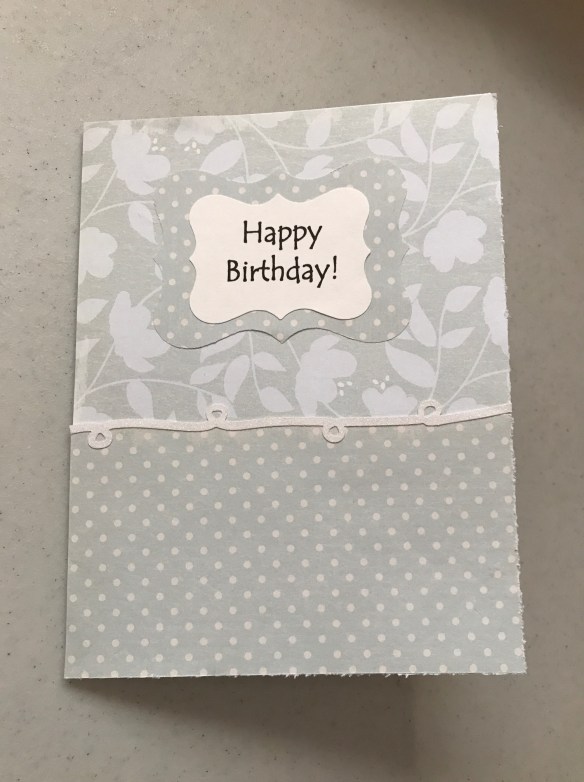
  • On the creative front: Not much this month – the sorting and giving away took precedence over the one project I had hoped to get to. Oh – I did do some painting with Timothy. 🙂 And I did make this card for my friend Melanie‘s birthday.
New discoveries:

  • Single-serving dessert mixes. Nice for portion control when you want something fresh-made and sweet:

IMG_0498

  • Decaf flavored teas. I haven’t tried them yet – I’ve never liked hot teas whenever I’ve tried them, but I’ve been wanting some variety in hot beverages with cold weather, and these are the required decaf. So maybe this time will be the charm.
  • A new Mexican food restaurant.
  • Little Free Libraries. I’ve seen other people mention them, but this post led me to a map to look for local ones. There are two not all that far from me. I’d love to start one!

Things I wonder:

  • Why catalog companies think that they if they send me multiple catalogs a week, especially this time of year, I’ll buy more. I’ll look at one for a new season, but after that I just throw them away until the next season. I wonder how much this waste adds to the cost of the merchandise.
  • I’ve had a couple of experiences with looking at things for purchase online, once putting an item in a cart and then deciding against it and removing it, and then getting an email from the online company about it. One said something like “We noticed you looking at this item. It’s still available!” When I contacted them and said I do not want these types of emails, I was told it was “all or nothing,” and to avoid receiving them, they’d had to remove me from their email list completely. The one where I removed something from a cart said something like, “We know what it’s like to be pulled away from the computer in the middle of something, so we kept this item in the cart for you!” My husband received one that said, “Caught you looking!” Who thought this was a good idea?! It’s really creepy. I know it’s probably computer-generated, and they have cookies to track what you look at anyway, but this is a step too far!
  • Why, when you mention you’ve been cleaning, does someone always say something like, “When you get done, come over to my house! I need that done, too!”

On the blog:

Besides the weekly highlights at Friday’s Fave Five, book reviews, and some Laudable Linkages, I’ve posted:

As we turn the calendars from November to December tomorrow, the focus will turn more fully to Christmas preparations – Christmas cards and newsletters, finishing shopping and starting wrapping, activities and events. In the midst of this fun but busy season, may we all have make some moments of quiet reflection on Whose birth we celebrate and why. May His love flow into us and then through us to others.
(Sharing with What I’m Into at Leigh Kramer)

Book Review: Washington’s Lady

Washington's Lady Washington’s Lady by Nancy Moser is a fictionalized biography of Martha Washington, wife of the U.S.A.’s first president.

The story opens with Martha at age 26 having just lost her husband of seven years, preceded by the deaths of two children. One of her two remaining children was sick with the same illness that took her husband. Despite her grief, she had to deal with the affairs of their plantation, including the complications of her husband’s neglect to leave a will.

Because she was “the wealthiest widow in Virginia,” “expected to remarry in a timely fashion,” it wasn’t long before a number of suitors sought her hand. No one interested her, however, until she met Colonel Washington. They conversed easily and were drawn to each other, eventually marrying. George tried to help her sort out the issues at her plantation, but eventually they moved to his smaller estate at Mount Vernon.

Trouble was stirring, however, with “Mother England.” Ludicrous laws and taxes, low quality goods sold to colonists at inflated prices, and a number of other issues were moving the populace from dissatisfaction to revolt. George left Mount Vernon as a representative, but eventually became the leader of the armed forces, not returning home for six years.

The story is told from Martha’s point of view, so we hear of battles through letters and occasional visits Martha made to wherever the troops were camping. She put herself to good use, sewing and repairing uniforms, organizing sewing circles to do the same, and visiting the men. Once she and the family had to flee Mt. Vernon as British forces approached, but a storm kept the enemy back. Two schemes to kidnap her failed. Other times newspapers spread lies, such as one stating that she was loyal to Britain.

At one point, overwhelmed by the suffering of the men and the lack of food, clothing and supplies for them at Valley Forge, she lamented that she could not do more. But she realized “the fate of many men depended on the fate of this one. And this one I could help.”

As the conflict drew to a close, many realized the revolution was all for nothing if the fledgling country could not get off to a good start, so talks began as to how best to achieve that. The result was George’s being elected president, not something he wanted at first. He longed for nothing more than to go home and be with his family and get his neglected house in order. But many felt that, as he had unified an army of untrained disparate individuals, he was the best to try to do the same with the thirteen colonies.

Martha was not pleased. All she wanted was for both of them to go home, too. Plus there was nothing for her to do as the president’s wife. She couldn’t even take a walk with her husband without being mobbed, the price of fame neither of them wanted. Perhaps because of all this, the book skips ten years over the time of George’s presidency to the last day of his life, then sums up the couple of years that Martha survived him.

Like most people, Martha had a mixture of qualities. She was unpretentious, strong, feisty, practical, capable in many respects. She had a constant stream of visitors and enjoyed hospitality until it became almost constant as they became more well known. She was also a self-proclaimed worrier. Her one main weakness was her son, Jacky. Perhaps because her husband and other children all passed away, and this son had been dangerously ill, plus for reasons unknown she and George were not able to have their own children, she was over-protective of him, and not only did she not discipline him, she did not let George do so, either. Jacky ran into all kind of trouble as a teenager and young man, seemed to settle down somewhat when he married, but then went back to his undisciplined, self-willed ways later on, and died leaving a wife and four children, the youngest two of whom George and Martha took in. Martha blamed herself, but then she repeated the very same mistakes with her one grandson while being strict with her granddaughters.

After George’s death, she destroyed all but a couple of their letters, perhaps to keep at least that part of their private lives from public view, understandably.

I also enjoyed the author’s several pages at the end explaining her interest in Martha and what things were made up or compiled and what things were real. Conversations, of course, needed imagination to recreate, but she based the story on as much fact as she could discover.

Besides learning more about Martha and George, it was also neat to see glimpses of other historical figures as well and to get the feel of those times. This was a fascinating and enjoyable book.

(Sharing with Semicolon‘s Saturday Review of Books, Literary Musing Monday, Carole’s Books You Loved)

What’s On Your Nightstand: November 2017

Nightstand82The folks at 5 Minutes For Books host What’s On Your Nightstand the last Tuesday of each month in which we can share about the books we have been reading and/or plan to read.
It’s the end of another month, next to last one of 2017, and time to take stock of what we’ve been reading.

Since last time I have completed:

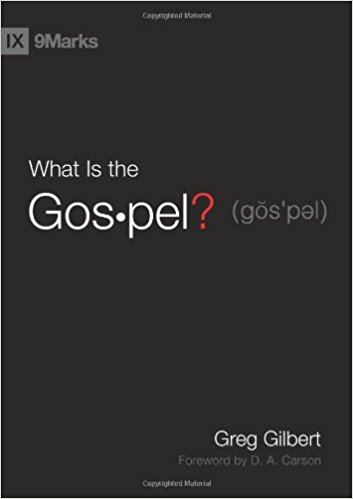
What Is the Gospel? by Greg Gilbert, reviewed here. Excellent.

Love in Hard Places by D. A. Carson, reviewed here. Convicting and thought-provoking.

To Be Where You Are by Jan Karon, reviewed here. Always a pleasure to visit Mitford.

A Little Salty to Cut the Sweet: Southern Stories of Faith, Family, and Fifteen Pounds of Bacon by Sophie Hudson, reviewed here. Very good.

Jayber Crow by Wendell Berry, reviewed here. Mixed emotions.

Between Friends: Craft Projects to Share by Charlotte Lyons, reviewed here. Very good.

Washington’s Lady by Nancy Moser. Fictionalized biography of our first First Lady. Very good – review coming hopefully tomorrow! here.

I’m currently reading:

What Is a Healthy Church? by Mark Dever.

French Women Don’t Get Fat: The Secret of Eating for Pleasure by Mireille Guiliano

Sarah’s Song by Karen Kingsbury

Gospel Meditations for Christmas by Chris Anderson, Joe Tyrpak, and Michael Barrett.

The Bronze Bow by Elizabeth George Speare

Up Next:

I’ve only gotten to one on my “up next” list from last month, and I laid that one aside due to bad language and suggestive content (A Bell for Adano by John Hersey for the prize-winning category of the Back to the Classics challenge). Plus I hadn’t taken into account that Christmas was coming, and I like to read a few Christmasy books during December. I’ve already started a couple and have a couple more in my Kindle, so we’ll see how that goes. The others are:

I’ll Be Home For Christmas, four novellas in one.

Silver Bells by Deborah Raney

Keeping Christmas by Dan Walsh

Besides those, I am planning on these:

Watership Down by Richard Adams, one of those books I have heard about for years but never got to. It’s not old enough to save for next year’s Back to the Classics challenge, so I’ll listen to it next.

Classics of British Literature by John Sutherland, a Great Courses series. Hope’s review convinced me to listen to it.

For those who like to plan ahead, I recently announced the Laura Ingalls Wilder Reading Challenge for February 2018 and listed a bunch of Laura-related books beyond the Little House series.

Happy Reading!

Keeping Minimalism in Balance

IMG_0506

Years ago in a college Home Economics class called Home Furnishings, one thing that stood out to me was that the decorating pendulum tends to swing back and forth between extremes. For example, the Rococo era was characterized by excessiveness, playfulness, pastel colors, and curves, followed by Neoclassicism, which went back to straight lines, less color, and simple forms.

In my early married days, the “country” look was prevalent with a lot of wood and knickknacks. Then a lot of people went to a type of Victorian decorating, more sophisticated and fussy. Now the watchword is minimalism.

Decorating styles often reflect and/or influence what’s going on in society. Minimalism as a design concept actually started after World War II. But these days minimalism is a life concept.

Minimalism is not about ascetic denial, being spartan, or living with as little as you can. It’s about deciding what’s most important and getting rid of everything that distracts you from your core values. That means it will look different for different people. It’s also a reaction against consumerism, the constant pull to get more and have more and do more. With less “stuff” to store, oversee, and maintain, not only our living spaces, but also our minds are less cluttered and more free for what matters most.

And those are all good things! But like anything, it’s possible to become unbalanced one direction or another. As I have read more and more blog posts and articles about it, a few concerns have cropped up. You might be a little off-balanced in your quest for minimalism if:

1. You’re obsessed with it.

Minimalism tends to go hand in hand with simple living. I’ve seen a few people read articles or books on either minimalism or simple living and then feel driven to go through the attic, garage, every closet, every storage space, and I’ve thought, “That sure doesn’t sound simple.” Sure, we all need to sort through and get rid of things from time to time. But to turn the house upside down in a frenzy seems in conflict with the peace many minimalists are after.

I read a blog post just this morning from someone obsessing over, among other things, the fact that she had two whisks. Fine – set one aside to give away. But it’s not that big a deal. I have more than two and in different sizes, because sometimes I need more than one for one meal preparation, and different sizes work best in different containers.

Also, if minimalism or simplifying are near-constant subjects of thought and conversation, you might be overbalanced. The point of minimalism is to free your mind and time of stuff so you can spend it on more valuable things. You can still be obsessed with stuff even while trying to lessen your stuff.

2. You judge others for not being as minimalist as you are.

One of the tenets of minimalism is that it’s about keeping what makes you happy, so someone’s else’s home or lifestyle will not look exactly the same. But if you walk in and inwardly condemn their “clutter,” or somehow feel more self-righteous because of your minimalist stance, then you might have gotten off-balance. The whisk-worrier might see my collection of whisks and think me excessive if she didn’t understand my reasons for having them.

3. You’re constantly having to replace items you got rid of.

I knew a family with four children who sold their baby equipment after every single one and then had to get new. Maybe they didn’t have the storage space for it between pregnancies; maybe they didn’t plan on having more. I don’t know. But it seems simpler, less work, and less expensive over the long haul to store it in some way. Personally, I take a lot of time for certain big purchases, furniture in particular, to look at the options, assess the best deal and what would work best for our family, etc., so I don’t like having to go through that again any time soon.

4. You go without things you need in the name of minimalism.

This is not a tenet of minimalism – that’s one reason it’s a sign of being off-balance. My dear mother-in-law was a product of post-Depression era frugality, but even a good characteristic like frugality can go too far, if you don’t get things you really need or live in an unhealthy way just for the principal of frugality or minimalism.

5. You seek peace in minimalism.

Minimalism can definitely make for a more peaceful mind and household. But it’s not the ultimate source of peace. For one thing, it’s kind of elusive if it is a goal rather than a lifestyle. We have to evaluate our possessions again from time to time as we acquire more (sometimes through gifts) or as other items wear out or outlive their usefulness. But even more than that, we can get to a comfortably minimalist lifestyle and still miss lasting inner peace. True peace comes only through Christ.

I probably would never call myself a minimalist, but neither am I a hoarder. I like stories where kids go up in Grandma’s attic and find old treasures, but I do see the need to sort through things there before I am no longer able to so that my children aren’t burdened with it. (We’re planning on that some day when the weather is neither too hot or too cold). I have decorating stuff I don’t use in a closet because I am undecided about it. I have pulled things out of there to use, so I don’t go by the “if you haven’t used it in x years, get rid of it” mantra. Sir Walter Scott is quoted as saying, “If you keep a thing for seven years, you are sure to find a use for it.” Plus some of it is irreplaceable or would be too expensive to replace, so, since I have space, I hang onto it until I am fully ready to let it go. If we have to downsize at some point, I’d have to go through those things with a more critical eye. We saved some toys from our own kids that my grandson plays with now, but we were careful to dispose of any that were broken or unappealing. Even with that, there are a few things I wish we had kept. One year I bought a Christmas decoration that looked like a old-time Model A type car with a holly leaf on it. I don’t know why – I probably saw it on sale and thought the boys would like it. But then I don’t remember getting it out much, maybe because there was no room for it then. Now, however, it’s one of my grandson’s favorite decorations, so I am glad I kept it even though doing so went against conventional wisdom.

On the other hand, I do get rattled when my storage spaces are too full, and having less to clean and sort and tend to appeals to me. A good article on what minimalism is and isn’t is here. So while I tend to keep more than someone who is truly minimalist, I am evaluating what I have and what I consider acquiring more and more, which is a good thing.

(Sharing with Inspire Me Monday, Literary Musing Monday, Glimpses, Tell His Story, Wise Woman, Woman to Woman Word-filled Wednesday, Coffee for Your Heart, Porch Stories, Faith on Fire)

O God Beyond All Praising

I usually set an album on my phone to play as I fall asleep, and lately it’s been Beyond All Praising by the BJU Singers and Orchestra. The title comes from the last song, “O God Beyond All Praising.” This song is one of a few that leads me to almost instant worship, both the words and the majestic melody. A bit about the history of the hymn is here. A second verse written later is included here.

O God beyond all praising,
We worship you today
And sing the love amazing
That songs cannot repay;
For we can only wonder
At every gift you send,
At blessings without number
And mercies without end:
We lift our hearts before you
And wait upon your word,
We honour and adore you,
Our great and mighty Lord.

Then hear, O gracious Saviour,
Accept the love we bring,
That we who know your favour
May serve you as our king;
And whether our tomorrows
Be filled with good or ill,
We’II triumph through our sorrows
And rise to bless you still:
To marvel at your beauty
And glory in your ways,
And make a joyful duty
Our sacrifice of praise.

~ Michael Perry (1942 – 1996)

The same song sung by the Herbster family, in which the words are a little easier to understand:

Laudable Linkage

IMG_0195

My latest round-up of newly discovered noteworthy posts:

Doing Spiritual Warfare Without All the Weirdness, HT to Challies.

Dear Mormon – I Can’t Call You a Brother in Christ, HT to Challies.

A Beautiful Table and a Bitter Heart, HT to Challies. Good not just for Thanksgiving!

What Is Thanksgiving Anyway?

Dr. Martyn Lloyd-Jones on Obsession With Polemics, HT to Challies. It’s necessary but shouldn’t be the main thing. Some helpful considerations.

Which Are Better: Old Books or New?

The Last of the Iron Lungs, HT to Challies. A handful of people with polio still rely on them, but they’re not sold or maintained by the the manufacturers any more. Fascinating article. And, though this is not the main point of it, I was inspired by those who are trying to make the best of their circumstances, like the man who took his iron lung to college, practiced law for the few hours a day he could go without the iron lung, until he started needing it almost 100%. Now he’s writing his memoirs while encased in it.

I don’t mean to toot my own horn, but in case you missed it, I announced the Laura Ingalls Wilder Reading Challenge for February 2018 and included a long list of related books to consider for those who might want to read beyond just the Little House series.

Finally, I didn’t listen to all this, but overheard a good bit while hubby was listening. Press Secretary Sarah Sanders began the last press briefing before Thanksgiving asking the reporters to share something they were thankful for before asking their questions. What we found amazing was the way they whole atmosphere changed by doing that, from confrontational and adversarial to convivial!

Happy Saturday! It’s Christmas decoration day for us!

Friday’s Fave Five

fall FFF 1It’s Friday, time to look back over the blessings of the week with Susanne at Living to Tell the Story and other friends.

The last Friday of November, and of autumn! Though technically autumn continues a few weeks longer, in my mind, Dec. 1 marks the beginning of winter. It also used to mark the beginning of Christmas season, but now the weekend after Thanksgiving ushers that in for us.

On to this week’s favorite highlights:

1. Thanksgiving: the food, the family time together and FaceTiming with the one absent; the opportunity for a special emphasis on what have to be thankful for and the One to whom we are thankful.

2. A nice husband. He not only went to the store for me on Thanksgiving morning for a few items I hadn’t realized we were low on until then, but he also washed all the pots and pans that wouldn’t fit in the dishwasher – and there were many of them for Thanksgiving! He traditionally takes care of getting all the meat off the turkey carcass and then cleaning up roaster pan.

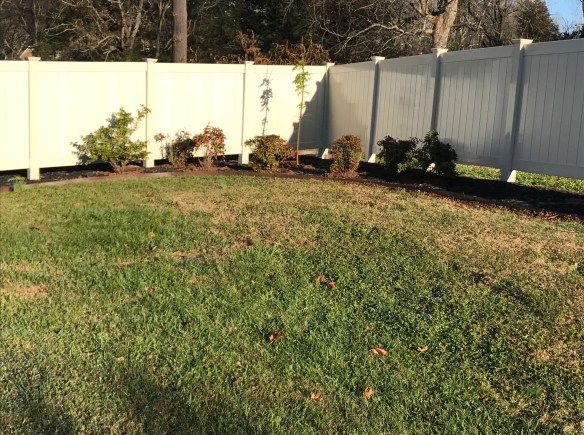
3. Plants. We’ve been wanting to do some planting along the fence we put up a while back, but hadn’t been able to get to it. My husband has been wanting to transplant some small bushes that were in a semicircle in another part of the yard, which was not only an odd place for them, but they impeded lawn mowing. So he transplanted those along part of the fence. Then he went to a couple of nurseries to look for the kind of tree he wanted in the corner. He ended up not getting that one, because it was over $400! But he found a group of trees and bushes for 75% off, and got one tree and three bushes for less than $30.

IMG_0501

A nice start! Now we just have the rest of the fence line to go…

IMG_0502

(The fence isn’t really leaning forward as it appears to in the photo – my camera angle was just wonky.)

4. Things that didn’t break when they could have. I was trying to work a small item into the full dish drainer one day and accidentally dislodged the lid to my big crock pot. I reached for it as it fell, but knew I wouldn’t reach it in time. Thankfully it didn’t break, though it made a lot of noise when it hit the counter. Then I dropped a glass pan in the sink while washing it, but thankfully it held together, too.

5. Thanksgiving leftovers. It looks like there was just the right amount this year: some to send home with Jason and Mittu, some for sandwiches and warmed-up Thanksgiving night dinner and Friday lunches, some for turkey bone soup some time this weekend, and the turkey salad my husband makes.

Are you shopping this Black Friday? I’m staying inside where it’s cozy and calm and warm and doing my shopping online – another thing I am thankful for!

Laura Ingalls Wilder Reading Challenge 2018 and Book List

I’ve noticed that a number of people are posting about next year’s reading challenges and plans already, so for those who like to plan ahead, I wanted to let you know that the Laura Ingalls Wilder reading Challenge will take place here next February. This will be our 6th year!

The idea is to read anything by or about Laura Ingalls Wilder during the month of February since her birth and death both occurred in February. Some have also incorporated some LIW activities during that month! It’s not required, but I love to see and hear about it.

I’ll have a sign-up post here on February 1st. You don’t have to have a blog to participate, but if you do, I welcome you to post about the books you read or any activities you might do, and/or post a wrap-up of your LIW reading at the end of the month and link to our wrap-up post here on Feb. 8. If you don’t have a blog, you can let us know in the comments on that post what you read.

A few years ago I posted a list of books that I had come across by or about Laura for those people who wanted to roam beyond just the Little House books. I’ve become aware of so many more, I thought it was time for an updated list. You’re not restricted to this list by any means – these are just some that I have read or heard of. I am sure there’s multitudes more I haven’t heard of yet. I’ve linked the ones I’ve read back to my reviews.

Books by Laura Ingalls Wilder:

  • The Little House books, of course
  • Little House in the Ozarks: the Rediscovered Writings of Laura Ingalls Wilder (linked to my review), compiled and edited by Stephen Hines, a collection of newspaper columns and magazine articles she wrote before starting the Little House books
  • Saving Graces: the Inspirational Writings of Laura Ingalls Wilder (linked to my review), a collection of inspirational or faith-based writings pulled from the columns in Little House in the Ozarks.
  • Writings to Young Women from Laura Ingalls Wilder (3 volumes) I’ve not read this yet, but it appears to be the same type of thing: some of the columns from the first book sorted into different categories.
  • On the Way Home, a diary of her move with her husband and daughter in a covered wagon from South Dakota to Missouri.
  • West From Home (linked to my review), letters Laura wrote to Almanzo while visiting their daughter in San Francisco, where she visited the World’s Fair.
  • A Little House Traveler contains the above two books plus the previously unpublished The Road Back, about the first trip she and Almonzo took back to De Smet, where Laura grew up and where they met.
  • A Little House Sampler, stories and writings of Laura as well as of Rose Wilder Lane, compiled by William T. Anderson.
  • Pioneer Girl (linked to my review), the script of Laura’s first draft of what was to become the Little House books, wonderfully and thoroughly annotated by Pamela Smith Hill.

Biographies of Laura:

  • I Remember Laura by Stephen W. Hines (linked to my review), a collection of articles and interviews of people who actually knew Laura.
  • There are several, William Anderson’s perhaps the most well known. More on Anderson’s work, and some information on MacBride, is here.

Books about the family by Laura’s daughter, Rose Wilder Lane:

  • Let the Hurricane Roar (also known as Young Pioneers)(linked to my review), a fictionalized novel about her grandparents’ “prairie life,” written without her mother’s permission or knowledge
  • Free Land: I don’t know if this is about any particular family members, but it is about the same times and situations.

Books about the rest of the family. I have not read any of these, so I don’t know about their authenticity, ow close or far they are from the facts:

  • Roger Lea MacBride, Rose’s sole heir and the co-creator and co-producer of the Little House on the Prairie TV series, published a series of books based on Rose’s childhood.
  • Little House: The Martha Years by Melissa Wiley, a series of books about Martha Morse, Laura’s great-grandmother
  • A series of books about Charlotte Tucker, Laura’s grandmother, also by Melissa Wiley: Little House by Boston Bay, On Tide Mill Lane, The Road from Roxbury, Across the Puddingstone Dam
  • Books about Caroline Quiner Ingalls, Laura’s mother, by Maria Wilkes
    Little House in Brookfield
    Little Town at the Crossroads
    Little Clearing in the Woods
    On Top of Concord Hill
    Across the Rolling River
    Little City by the Lake
    A Little House of Their Own
  • Old Town in the Green Groves (Little House) by Cynthia Rylant
  • Nellie Oleson Meets Laura Ingalls (Little House) by Heather Williams
  • Mary Ingalls on Her Own (Little House Sequel) by Elizabeth Cody Kimmel.
  • (Thanks to Sherry for several of these!)

For the younger set:

Modern books related to Laura:

Others:

Music related to Laura:

The following are not books, but rather blog posts or sites related to Laura:

I have plans for a couple this February, but I see many more I’d like to get to! I hope you do, too!

(Update: Be sure to check the comments for suggestions others have added.)

(Sharing with Semicolon‘s Saturday Review of Books, Literary Musing Monday, Carole’s Books You Loved)


Book Review: What Is the Gospel?

What Is the GospelWhen we received the book What Is the Gospel? by Greg Gilbert in a gift bag from a church we visited, my first thought was, “It takes 121 pages to explain that?”

But, as he demonstrates in the first few pages, people have a variety of ideas about what exactly the gospel is, some odd, some close but not quite accurate. This, above anything else, is essential to know, because if we’re wrong about this, we’re in big trouble.

The first issue is our source of authority. After showing that reason, our own experience, and tradition are all unreliable, he goes to the Bible. He asserts that we can’t just do a study on the word “gospel” because many passages that describe it don’t use that word. So he suggests “looking at what the earliest Christians said about Jesus and the significance of his life, death, and resurrection” (p. 27).

Starting at Romans 1-4 and then examining other passages in the Bible, he observes that the gospel covers four basic questions:

1. Who made us, and to whom are we accountable?
2. What is our problem?…Are we in trouble and why?
3. What is God’s solution to that problem? How has he acted to save us from it?
4. How do I…come to be included in that salvation? What makes this good news for me and not just for someone else? (p. 31).

He further distills this down to “four major points…God, man, Christ, and response” (p. 31) and then dedicates a chapter to each one. One quote that stood out to me in the chapter on our response:

Many Christians struggle hard with this idea of repentance because they somehow expect that if they genuinely repent, sin will go away and temptation will stop. When that doesn’t happen, they fall into despair, questioning whether their faith in Jesus is real. It’s true that when God regenerates us, he gives us power to fight against and overcome sin (1 Cor. 10:13). But because we will continue to struggle with sin until we are glorified, we have to remember that genuine repentance is more a matter of the heart’s attitude toward sin that it is a mere change of behavior. Do we hate sin and war against it, or do we cherish it and defend it? (p. 81).

Since Christianity is not just about what we’re saved from, but it’s also about what we’re saved to, there’s a chapter on the kingdom of God. The chapter on “Keeping the Cross at the Center” addresses our tendency to try to make the gospel bigger, or more relevant, or less offensive by getting off-center, and he discusses three “substitute” gospels that even well-meaning people can fall into sometimes. And finally, the last chapter explores several responses a proper understanding of the gospel should have on us, one of which is loving the brethren.

Christian, the gospel should drive you to a deeper and livelier love for God’s people, the church. Not one of us Christians has earned his or her way into the inheritance God has stored up for us. We are not “self-made” citizens of the kingdom. We are included in God’s promises only because we know that we are dependent on Jesus Christ to save us, and we are united to him by faith.

But here’s the kicker. Do you realize that the same thing is true of that brother or sister in your church who annoys you? He or she believes in and loves the same Lord Jesus that you do, and even more, he or she has been saved and forgiven by the same Lord who saved and forgave you (pp. 117-118).

I found this a very readable and highly valuable book, both for non-Christians who want a clear presentation of what the gospel is all about, and for Christians to remind ourselves of what a treasure the gospel truly is, to keep us from getting sidetracked by “good” causes which de-emphasize, leave out, or muddy the gospel, and to let it affect our lives in every way it’s supposed to.

(Sharing with Semicolon‘s Saturday Review of Books, Literary Musing Monday, Carole’s Books You Loved)