
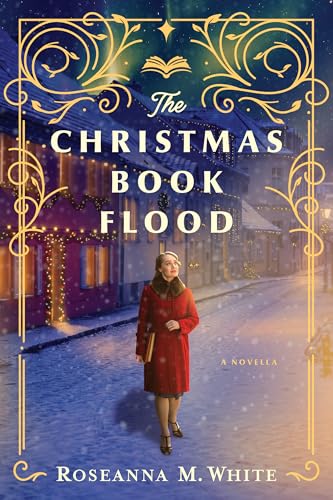
Jolabokaflod is an Icelandic tradition that translates to “Christmas Book Flood.” It began in 1944 near the end of WWII. Iceland was occupied by the Americans, and their willingness to spend money in town and help arrange for exports of the country’s fish helped Iceland become a little more prosperous than many European nations occupied by Germany.
But many items were still in short supply due to rationing. Icelanders were already great readers and storytellers, but this particular year, books were the main gifts. A tradition began Christmas night of people reading the books they had gotten for Christmas, often while enjoying hot chocolate. Sounds like a great idea to me!
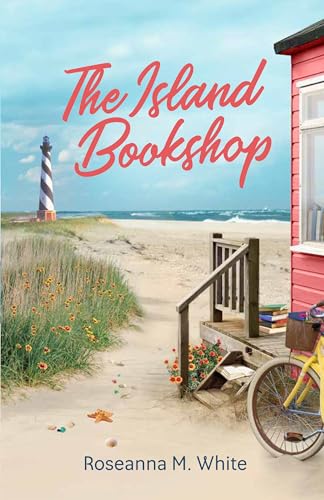
Roseanna M. White has set her novella, The Christmas Book Flood, in this time and place.
Tatiana Eliasdottir is her uncle’s assistant at his publishing house. Tatiana’s sister calls to ask if she can send her seven-year-old daughter for the holidays. Her sister is having difficulties in her pregnancy, and has lost several unborn babies. Her sister’s husband has injured his leg and is out of work. They felt their daughter, Elea, needed a brighter, happier setting for Christmas. Tatiana agrees to host Elea. At first the girl is disconsolate over not being home for Christmas. But getting into some of the traditions and learning she’ll be able to go to work with Tatiana, where her favorite author, Anders Johannsson, also works, begins to lift her spirits.
Author, illustrator, and editor Anders and his secretary agree to help Tatiana watch Elea when Tatiana can’t be at her desk. Tatiana has liked Anders for a while, but he is so shy and quiet and easily flustered that it’s hard to talk much with him.
Anders’ personality tends toward quietness, but he is also that way because he feels like a misfit. His brothers are all hardy, big, strapping fishermen who make fun of him for his shyness and bookish ways.
A true part of the story deals with the publishing companies teaming to form a “Book Bulletin” sent to every home.. The results were so successful–a flood of orders–that they weren’t sure they would be able to fill the orders before Christmas.
Another part deals with Tatiana and Anders getting to know one another and overcoming their misconceptions.
Woven in with the plot was some Icelandic folklore. They don’t have Saint Nicholas, but they do have the “Yule lads“–Troll brothers who take turns visiting in December and leaving gifts in shoes if they find everything to their liking.
This was a delightful novella. I knew very little about Iceland and its traditions and folklore. Then the plot was so different from many Christmas novellas. And, though there’s a slow romance, the book is not at all cheesy. The characters have things to learn and ways to grow along the way.
There were a couple of anachronisms–I don’t know if they talked about “patriarchal” expectations of women then, or “fighting the patriarchy”–at least not in those terms.
Happily, this audiobook did include the author’s notes about the inspiration and research for this book.
I listened to the audiobook, nicely read by Talon David. The only negative to listening was I had no idea what some of the Icelandic terms and names looked like. But there was usually enough explanation that I understood what was going on.


 Stray Thoughts