Happy Birthday, Robert Burns

I saw on Facebook that today was Robert Burns‘ birthday. Two of my ten favorite poems are his.

Scotland’s most well-known poet, Burns is a mixture of qualities. He had a pretty horrid personal life. He wrote rowdy drinking songs. I’d probably disagree with many of his views.

But he did have a tender, thoughtful heart and a unique way of expressing sentiment. One of my favorites of his poems is “To a Mouse,” where he laments accidentally upsetting the mouse’s home (the famous line, “The best laid schemes o’ Mice an’ Men, Gang aft agley,” or “oft awry” come from this poem). “A Red, Red Rose” is one of the most romantic poems/songs ever. “O Wert Thou in the Cauld Blast” speaks of sheltering someone else. “To a Louse” takes the irony of seeing one on a fine lady’s bonnet at church and makes the parallel, “O wad some Power the giftie gie us To see oursels as ithers see us.”

And somewhere along the way he been at least exposed to a godly family. In The Cotter’s Saturday Night he contrasts their simple faith and integrity with that of hypocritical religion, as shown in this excerpt:

Then, kneeling down to Heaven’s Eternal King,
The saint, the father, and the husband prays:
Hope “springs exulting on triumphant wing,”
That thus they all shall meet in future days,
There, ever bask in uncreated rays,
No more to sigh, or shed the bitter tear,
Together hymning their Creator’s praise,
In such society, yet still more dear;
While circling Time moves round in an eternal sphere

Compar’d with this, how poor Religion’s pride,
In all the pomp of method, and of art;
When men display to congregations wide
Devotion’s ev’ry grace, except the heart!
The Power, incens’d, the pageant will desert,
The pompous strain, the sacerdotal stole;
But haply, in some cottage far apart,
May hear, well-pleas’d, the language of the soul;
And in His Book of Life the inmates poor enroll.

I did read in some forgotten source a brother’s quote that he did not know what family Robert had in mind in this poem, but it certainly wasn’t theirs.

His great talent doesn’t excuse his sins. But sometimes we need to be reminded that a person is more than his sins: there’s more to a drunk than just his drunkenness or to a philanderer than his licentious ways. There’s a soul in there that Christ died for and wants to redeem. I don’t know how much Robert knew of the gospel and whether he believed it for himself: sadly, there is little evidence that he did. But for the people we encounter in these days, we can avoid writing them off for the negative we see and seek God’s wisdom to reach the inner person.

In celebration of Burns’ birthday, here is a reading of “To a Mouse” in the Scottish dialect. There is a more anglicized (and therefore more understandable to us) version here. A neat verse-by-verse analysis of the poem is here.

And here is Red, Red Rose set to music in a lovely arrangement by the King’s Singers:

Book Review: Rainbow Valley

The title of Rainbow Valley by L. M. Montgomery is taken from an area where the Blythe children play which they named. In this seventh of LMM’s Anne series, the action picks up just after the place where it left off in Anne of Ingleside. Anne’s four older children are joined in the valley by four new children from the manse. The Presbyterian church has got a new minister, but they hadn’t known beforehand that he was a widower. He in an excellent preacher, but is a bit absent-minded, easily lost in his thoughts or a good book to the point of forgetting to keep tabs on his children. That causes a series of scrapes and misunderstandings, mostly comical though some are scandalous to the town and especially the congregation.

It’s an interesting story in itself, but, for being in the Anne series, there is very little of Anne in it and even less of Gilbert. Anne seems to be the voice of reason and balance, seeing the humor in the various situations that come up and defending the children. Anne’s children are best friends with the manse children and interact with them often through the book, but still the focus seems to be on the latter. I’m curious as to why Montgomery focused on the manse family in this book — whether the Blythe children were not likely to get into some of the situations the manse children were, or whether perhaps as a pastor’s wife she wanted to shed a bit of light on how a pastor’s family, particularly the children, can feel with the watching eyes of the church and community on them and how the most innocent of actions can be blown into a major scandal by gossip and a lack of charitableness. If any of you have read of the background behind this one, I’d love to hear it.

I thought Rosemary West’s story was very sad and sweet, and I loved the glimpses into Mr. Meredith’s (the pastor’s) thinking and struggles when he was “awake,” as one of the children’s friend’s called it when he was focused. There’s foreshadowing of the coming war. I’ve read this series before, but I can’t remember which of Anne’s sons goes off to war in the next book (don’t tell me — I want to find out in the book). I wonder whether there will be any romances between the Blythe children and the manse children as they grow up (if so, perhaps that’s another reason for the focus on the manse children here.)

I’d have to say this isn’t my favorite of the Anne series, but it is still very good.

L. M. Montgomery Reading Challenge


(This review will also be linked to Semicolon‘s Saturday Review of Books.)

What’s On Your Nightstand: January 2012

What's On Your NightstandThe folks at 5 Minutes For Books host What’s On Your Nightstand? the fourth Tuesday of each month in which we can share about the books we have been reading and/or plan to read.

Wow — I totally forgot about this until I saw it pop up on others’ blogs!

But here is what I finished since last time:

Let Every Heart Prepare Him Room by Nancy Guthrie, read with Jesse. I had read it privately last year.

Belonging by Robin Lee Hatcher, reviewed here.

Serenity by Harry Kraus, M. D., reviewed here.

Anne’s House of Dreams by L. M. Montgomery, reviewed here.

Anne of Ingleside, reviewed here.

I’m currently reading:

Practical Happiness: A Young Man’s Guide to a Contented Life by Bob Schultz, with my youngest son, Jesse.

Rainbow Valley by L. M. Montgomery.

I’m currently listening to:

The Help by Kathryn Stockett. I’m loving the story, but I’m dismayed by a smattering of bad language in it, particularly taking the Lord’s name in vain. 😦  I didn’t think about that when I got it, but I should have.

Up next:

I’d really like to read Rilla of Ingleside by L. M. Montgomery to finish out the Anne series for Carrie‘s L. M. Montgomery Challenge so next year I can start on others of her writings. We’ll see how it goes!

I’m hosting the Laura Ingalls Wilder Reading Challenge in February, so naturally much of my reading will be in connection with her next month. I’ll have more to say about that on Feb. 1, the first day of the challenge. (I invite you to join us!)

I’m definitely addicted to audiobooks now. Once I finish The Help, I think next I’ll listen to Silas Marner. I’ve actually had a CD for that for years, but never got to it. I’ve often wondered about it since one character mentioned it on the Little House on the Prairie TV show a few years ago — and I think I may have seen a version of it on Wishbone when my kids used to watch that (hey, you’ve gotta take your culture where you can find it sometimes. 🙂 )

What’s on your nightstand?

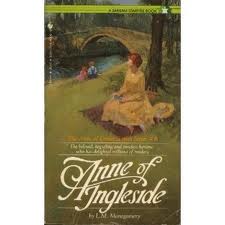
Book Review: Anne of Ingleside

Anne of Ingleside takes up several years after Anne’s House of Dreams. Anne is a busy mother of five children now with another soon on the way. The book starts with a visit back to Avonlea for Gilbert’s father’s funeral. Anne and Diana have an afternoon to get away and visit all their old haunts, and we have a glimpse of Marilla and Mrs. Lynde and all the old scenes we love from the previous books. But as Anne heads back to Glen St. Mary, first she reflects on all she loves in Avonlea, but then her thoughts turn toward her waiting family, and she wonders how she could have been happy for a week without them. A joyous reunion introduces us to her little ones.

Many of the chapters are from the viewpoints of the children as they encounter various trials, tribulations, adventures, and misunderstandings. It’s so easy to forget how things can look to a child and how they might process them.

It’s sweet to see Anne’s motherly wisdom with her children and to see that though she has matured, she hasn’t lost her vivacity and imagination.  But lest we think she’s too perfect, she has her own misunderstanding with attendant negative feelings before it all works out in the end.

One of Anne’s trials in this book is a visit from Gilbert’s Aunt Mary Maria. Well, it’s supposed to be a visit, but it begins to look like she’s planning to stay indefinitely. She’s so unpleasant that little Jem asked, after he met her, whether they could laugh while she was there. There were so many little things that offended, so little Anne feels she shouldn’t complain, “and yet…it’s the little things that fret the holes in life…like moths…and ruin it” (p. 67). Yet they can’t ask her to leave for fear of causing great offense. The situation is finally resolved a bit comically though with the best intentions.

Perhaps the besetting sin of many women in LMM’s books is gossip, and my least favorite chapter was a record of the gossip shared during a Ladies’ Aid quilting session. I’ve actually known some people who avoided her books for that reason. But she doesn’t present gossip as acceptable: it’s often comical or tragic or at the very least a thorn in someone’s side, and the characters who are meant to be exemplary don’t engage in it.

Favorite quotes from the book:

“This is no common day, Mrs. Dr. Dear,” [Susan] said solemnly.

“Oh, Susan, there is no such thing as a common day. Every day has something about it no other day has” (p. 17).

From Rebecca Dew: “While we should not forget the Higher Things of Life good food is a pleasant thing in moderation” (p. 62).

While Anne and Jem are planting bulbs one fall day: “Isn’t it nice to be preparing for spring when you know you’ve got to face winter?” (p. 155).

While Anne was reflecting on the children growing and the changes happening and yet to come: “Well, that was life. Gladness and pain…hope and fear…and change. Always change! You could not help it. You had to let the old go and take the new to your heart…learn to love it and then let it go in turn. Spring, lovely as it was, must yield to summer and summer lose itself in autumn” (p. 214).

To a small daughter disappointed when reality was less than her imagination and who decides never to imagine again: “My dear foolish dear, don’t say that. An imagination is a wonderful thing to have…but like every gift we must posses it and not let it posses us” (p. 244).

Reflecting on the coming winter: “What would matter drifting snow and biting wind when love burned clear and bright, with spring beyond? And all the little sweetnesses of life sprinkling the road” (p. 277).

I enjoyed reading about Anne at this stage of her life.

L. M. Montgomery Reading Challenge


(This review will also be linked to Semicolon‘s Saturday Review of Books.)

The Week in Words

”"

Welcome to The Week In Words, where we share quotes from the last week’s reading. If something you read this past week  inspired you, caused you to laugh, cry, think, dream, or just resonated with you in some way, please share it with us, attributing it to its source, which can be a book, newspaper, blog, Facebook — anything that you read. More information is here.

Before I share some of the quotes that I came across this week, I wanted to ask if those of you who pray might ask the Lord to heal my foot. A little raw place rubbed my new shoes somehow got infected and then developed cellulitis. We went to the ER Sat. night and I was given antibiotics and released to go home and keep my feet up. I’m supposed to go back to the ER if it gets worse, and they’ll start iv antibiotics. I’ve been debating all Sunday whether to go back or not, but I want to give the antibiotics I have a chance to kick in and work. I’d appreciate your prayers both for wisdom and healing.

Now, on to the quotes collected for this week:

From an Elisabeth Elliot e-mail devotional:

Because a thing is unpleasant, it is folly to conclude it ought not to be. There are powers to be born, creations to be perfected, sinners to be redeemed, through the ministry of pain, to be born, perfected, redeemed, in no other way. ~ George MacDonald, What’s Mine’s Mine

Seen at Quill Cottage:

The color of springtime is in the flowers, the color of winter is in the imagination. ~ Terri Guillemets

I like that on a number of levels.

And I think I saw this on John Piper’s Twitter feed:

New laws don’t make new hearts.

Very true. Only God’s grace can cause a true change of heart. Laws are good and necessary, but in a sense they just point up the need for a change of heart. If hearts were right, we wouldn’t need laws.

You can share your family-friendly quotes in the comments below or write a post on your blog and then put the link to that post (not your general blog link) in Mr. Linky below.

I hope you’ll visit the other participants as well and glean some great thoughts to ponder. And I hope you’ll leave a comment here, even if you don’t have any quotes to share.

My Song Is Love Unknown

My song is love unknown,
My Savior’s love to me;
Love to the loveless shown,
That they might lovely be.
O who am I, that for my sake
My Lord should take, frail flesh and die?

He came from His blest throne
Salvation to bestow;
But men made strange, and none
The longed for Christ would know:
But O! my Friend, my Friend indeed,
Who at my need His life did spend.

Sometimes they strew His way,
And His sweet praises sing;
Resounding all the day
Hosannas to their King:
Then “Crucify!” is all their breath,
And for His death they thirst and cry.

Why, what hath my Lord done?
What makes this rage and spite?
He made the lame to run,
He gave the blind their sight,
Sweet injuries! Yet they at these
Themselves displease, and ’gainst Him rise.

Here might I stay and sing,
No story so divine;
Never was love, dear King!
Never was grief like Thine.
This is my Friend, in Whose sweet praise
I all my days could gladly spend.

~ Samuel Crossman, 1664
(Full version is here.)

Laudable Linkage

Here are a few things I found interesting on the Web this week:

The Differences Between Religion and the Gospel. Excellent. No, it’s not the video you may have seen floating around Facebook.

How to talk to God with His words.

How to Disagree Online Without Being a Total Jerk. Excellent.

What to Do When Life is Hard….from one who knows.

Being Polite, HT to Lisa.

I want this habit.

Does Fiction Lie? Thoughts on Truth and Christian Story-telling.

Grace-Motivated….Dieting?

Basic sewing tutorials for the beginner.

35-second chocolate cake in a cup.

I didn’t see the concert for the 25th anniversary of the musical Les Miserables, but I stumbled across this rendition of “Bring Him Home” from four different tenor who have played ValJean through the years. Lovely…though Colm Wilkinson will always be ValJean to me:

Friday’s Fave Five

Welcome to Friday’s Fave Five, hosted by Susanne at Living to Tell the Story, in which we can share five of our favorite things from the last week,  wonderful exercise in looking for and appreciating the good things God blesses us with. Click on the button to learn more, then go to Susanne’s to read others’ faves and link up your own.

Another week has flown by! Here are some of my favorite parts of it:

1. The little doohickey that enables me to listen to an audiobook on my iPhone through my car speakers….a car which only has a cassette player. I forgot what you call it, but one end plugs into a CD player (what we used to use it for) or an iPhone and the other end is a cassette tape that goes into the player. It was hard to hear just the iPhone over car and traffic noises.

2. A thoughtful husband, who, after just overhearing me talk about the above device in a conversation with my son, while I was wondering where that device might be since we hadn’t used it in a long time, quietly found it and set it up for me so it was all ready to use next time I drove.

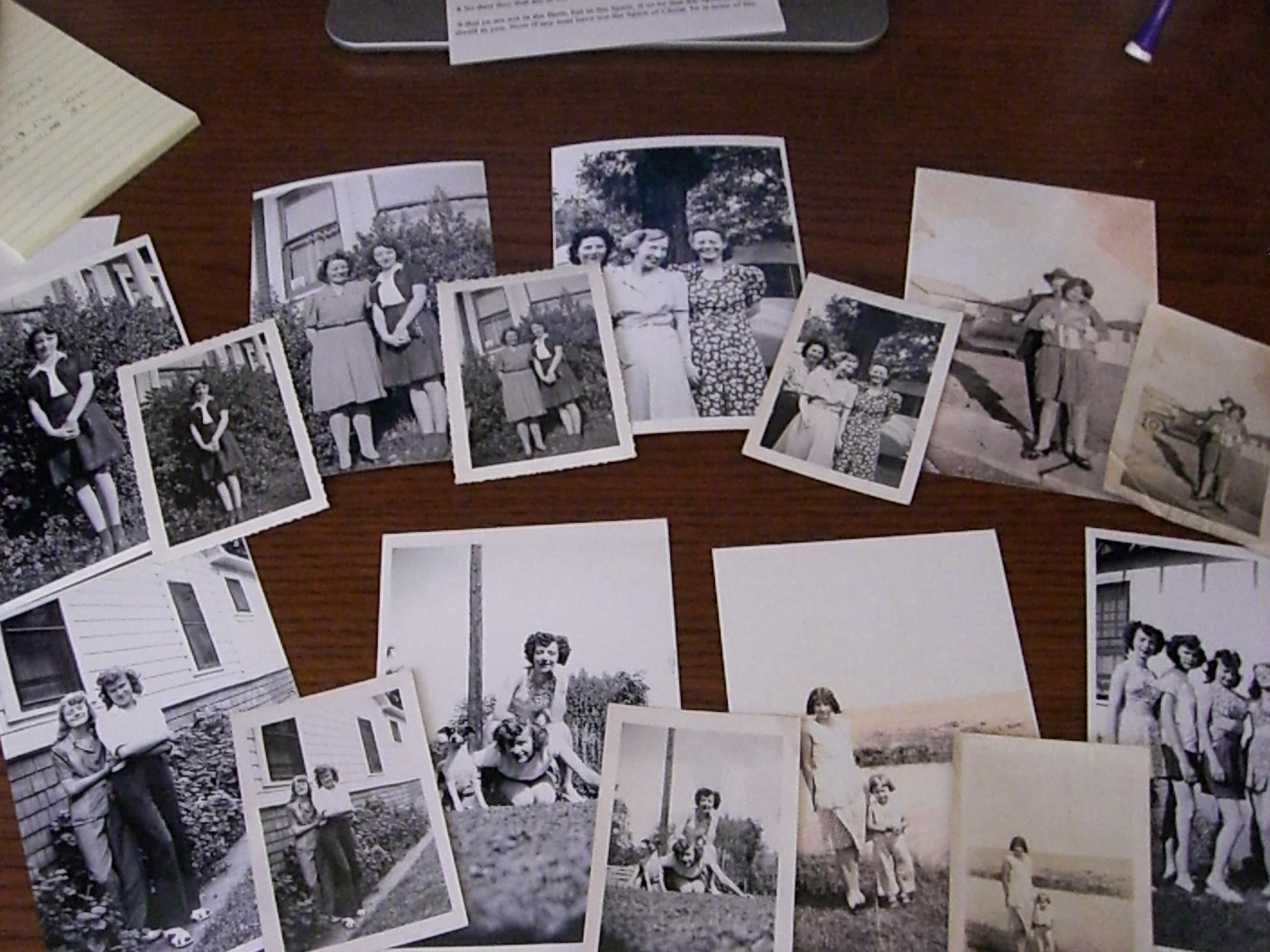
3. Enlarging small photos. I mentioned last week going through a box of my mother-in-law’s old photos. The majority of them were only 2 x 3 inches, and I wasn’t sure if she’d be able to see them well enough to identify any of the people. I scanned them in and printed them out 4 x 6, and I was so glad that worked well.

It’s been fun looking at them with her.

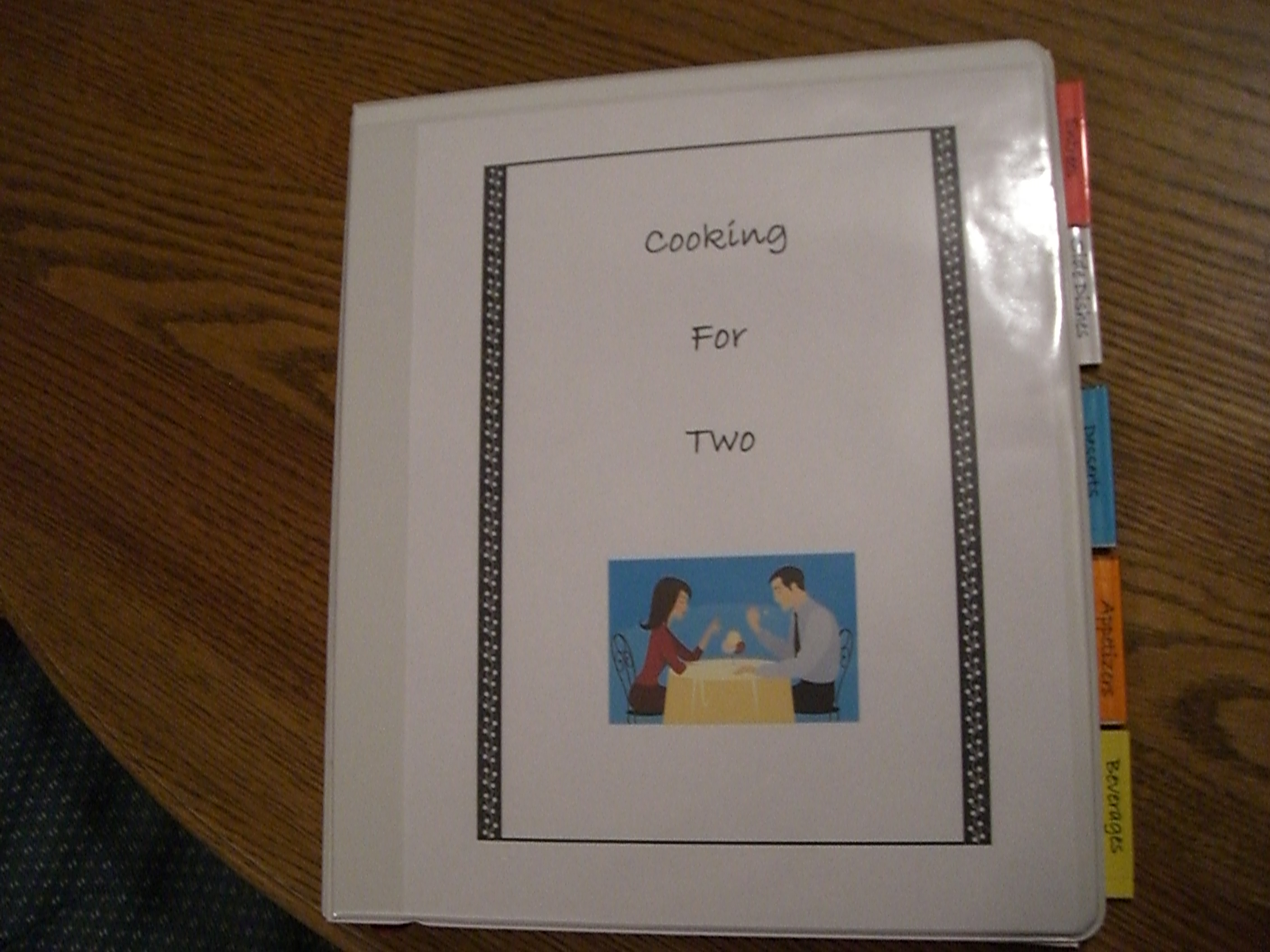
4. Working on a Cooking for 2 recipe book. With just three of us at home, and sometimes just two, often I just make regular meals and then have leftovers for lunch or another dinner. But I do have a lot of recipes for just 2-4 from when Taste of Home used to publish a Cooking For Two magazine (I miss that one!) I’ve been wanting to pull those out and compile a separate recipe book so I could find those without digging through the others I’ve pulled out of magazines. I was especially glad to find a scaled- down Texas Sheet Cake recipe — I love that but rarely make it since the original recipe makes a cookie-sheet panful.

5. Having the Frazor team at our church last Sunday. Always a joy.

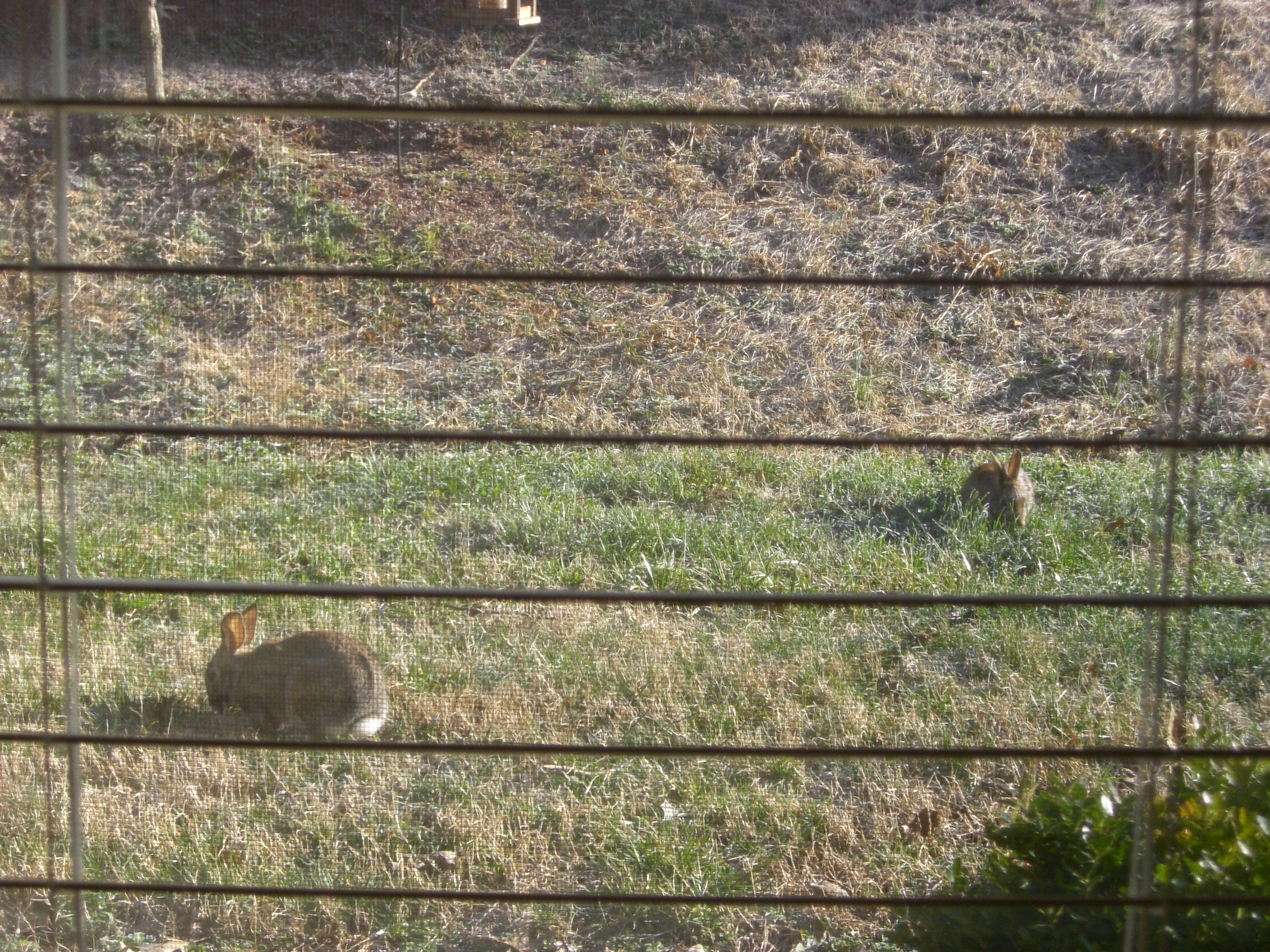
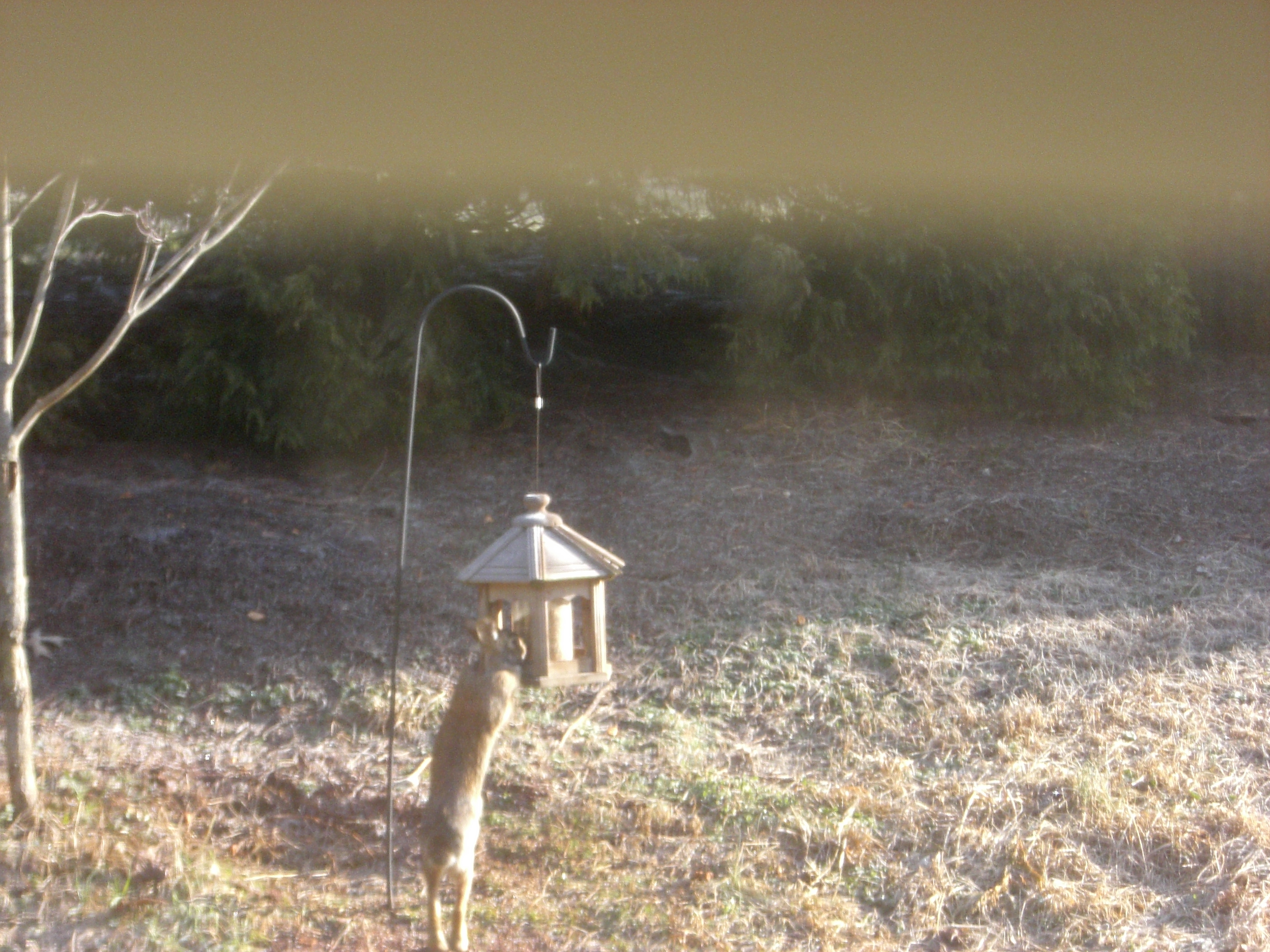
Bonus: Finally getting decent pictures of these guys, as decent as I can get through a glass window and screen.

I didn’t think rabbits ate seeds, but apparently they found something in the bird feeder they like!

Have a great Friday!

The Winter of Life

I used to say I want to live until I’m 100. I’ve amended that. I want to live until I’m 100 in my right mind with all my physical functions working like they’re supposed to and the ability to live independently. But that’s probably not very likely, is it?

Since my mother-in-law moved to be near us three and a half years ago, I’ve had a front row seat observing her weather the indignities of aging. Loss of physical stability led to falling, leading to the inability to live alone for safety concerns. Forgetfulness gave way to confusion, loss of reasoning and logical thinking. Further physical deterioration led to use of a walker, then a wheelchair, loss of privacy as someone was needed to help with baths and then with bathrooms functions, til now even sitting up straight or finishing a meal is beyond her ability. A friend who is a doctor whose mother passed away last year said that once they start declining, it seems to go faster and faster, and we’ve found that to be true so far.

Yesterday as I left the assisted living place where my mother-in-law stays, I was overwhelmingly sad, both from her deterioration, and the lady who cries all the time and the one who is constantly trying to escape and the one who wanders from room to room. Jason made the observation that at her old place, everyone was at Grandma’s level or better, but at this place everyone is at her level or worse.

I can’t help wondering why God leaves some of His dear children here in such a state. I believe God is the author of life.  I believe He has a purpose for every life at every level and ability. One thing the elderly can teach us is compassion and caring. Another is to remind us of our own mortality. One pastor said that one reason God allows our bodies to decline with age is to loosen our grasp of them. My friend Esther Talbert says in A Psalm For Old Age about caring for her mother-in-law with Alzheimer’s:

There is a reason God leaves the elderly and infirm among us, and it is often not for their benefit but for ours. If we are not too busy and self-absorbed, we may learn the qualities of Christ that we lack and that He desires to mold in us, the transformation of character He intends to accomplish in us, by confronting us with their presence and needs. By the time something like Alzheimer’s strikes, God is about done with His earthly work in someone like Mom. “Why, then, does He leave someone to linger like that?” we wonder. His earthly work in Mom is done, but much of His earthly work in us and others, through Mom, is just beginning. He strengthens us daily to love and care for her. In the gentle rebuke of His mercy, He is molding and changing us—revealing our selfishness, unfolding His fifth commandment in new ways. Only as I myself am moldable will God’s power, in my turn, shine through me to “this generation and . . . to every one that is to come.”

In the mean time we trust in Psalm 71:18 and other promises for her: “Now also when I am old and greyheaded, O God, forsake me not; until I have shewed thy strength unto this generation, and thy power to every one that is to come.” And we seek His grace to “comfort the feebleminded, support the weak, be patient toward all men” (I Thessalonians 5:14b).

I recently heard of one’s last years being called the winter of life. I’ve never liked winter. I don’t like the cold, the loss of color, the lack of growing things, the lack of sunshine.

There are some things to like about winter. Cozy blankets, hearty soups, occasional snow, coming in from the cold. But the one thing that makes winter tolerable is knowing that spring is coming.

Someday Mom’s eternal spring will come, when she’ll be without pain, more fully in her right mind than she’s ever been, rejoicing with those loved ones who have gone before and with the Savior she has loved for decades.

Gone they tell me is youth,
Gone is the strength of my life,
Nothing remains but decline,
Nothing but age and decay.

Not so, I’m God’s little child,
Only beginning to live;
Coming the years of my prime,
Coming the strength of my life;
Coming the vision of God,
Coming my bloom and my power.

~ William Newton Clarke

Hobbies

Apparently January is National Hobby Month, according to an e-mail from Michael’s. But even before that Katrina’s earlier post about hobbies got me to thinking about them.

Actually, her post was more about dabbling and whether or not that was a good thing. I think that can depend on personality. One of my sons dabbled in a number of different hobbies, and I used to be concerned that his not sticking with them was perhaps a lack of discipline. But each one was enriching in its own way and time, and maybe some day he’ll be able to come back to them.

I think you do have to dabble at a number of things before you can see what you really like to do. I’ve learned, for instance, that I’m not good at things that have to be exact. I have trouble drawing a straight line even with a straight edge. I have trouble cutting something out on a drawn line — I tend to go back and forth over the width of the line. So something like piecing a quilt would probably have me tearing my hair out when everything didn’t come together just right. But I am not good at things that are mostly free-form, either. I used to work part-time for a friend who had a florist business in her home. I mainly worked when there was a heavier workload, like Valentine’s Day, Mother’s Day, and when the local Christian college would have special programs for which guys bought corsages for their dates. With some introductory instruction from my friend, I could do corsages and bud vases, but bigger arrangements threw me. I could get the major flowers in — there is an almost geometric balance to them. But I was never satisfied with all the filler flowers and never seemed to strike just the right balance in placement and proportion. My friend, however, could throw something together in five minutes that looked gorgeous. But this same friend agonized over cross stitch and eventually gave it up, whereas I thought that was pretty simple.

I also used to think people either were creative or were not, and I didn’t think I was very much. But I learned, by dabbling and by observation, that there were different types of creativity, different ways to be creative. Creativity isn’t just craftiness. Some people are very creative in coming up with solutions to problems, in adding just a touch of something different to turn an ordinary meal into something special, in finding unique ways to teach, etc. (When we home schooled for four years, my husband taught a couple of subjects most days and had to do the bulk of it when I was ill for several weeks. He was much more creative than I was, coming to class as Einstein one day, etc. He began one of his speeches in college with a gas mask on.)

Dictionary.com defines a hobby as “an activity or interest pursued for pleasure or relaxation and not as a main occupation.” Pleasure and relaxation are probably the main benefits we get from hobbies, but I think they’re stimulating to everyday life in many ways. As a homemaker, a lot of my everyday tasks involve doing the same things — washing the same dishes, cleaning the same bathrooms, etc. Creating something that lasted more than a few days was very satisfying. It’s also nice to do something productive during what would otherwise be waiting time (watching TV, traveling, etc.). Sometimes it provides time to either think about or get away from our regular occupation. Stimulating our brain with different activities is supposed to be good for it. Years ago I read a quote from an unnamed pioneer woman that went something like, “I make my quilts warm to keep my family from freezing.  I make them beautiful to keep my heart from breaking.” That resonated with me, thinking of the hardness of pioneer life and the need to bring some beauty into it. I think one of the ways we’re made in God’s image is that desire to create. Of course, all thing must be kept in balance: time and expense are factors as are everyday demands of life. There may be seasons we can be more creative than others.

My family didn’t have many hobbies except reading. My grandmother crocheted — you rarely saw her sitting down without a crochet project in her hands. Even though I never took up crochet, I love that example she set for me.

So, what kinds of hobbies have I experimented with? In more or less chronological order I tried:

  • Reading — though that’s really more than a hobby to me.
  • Ceramics. I dabbled with this a bit in high school and have in a box somewhere a ceramic plaque with mushrooms on it I made for my mom.
  • Writing. I kept a lot of journals as a teen and, sadly, threw them away. I also wrote a lot of poetry then. When my kids were growing up my main writing was letters to the grandparents. 🙂 I’ve gotten back to writing in recent years with a few magazine articles and now an occasional newspaper column.
  • Sewing. I can’t do things that have to be extremely exact, so nothing I make is very tailored, but I’ve made clothes, curtains, things for the house, etc.
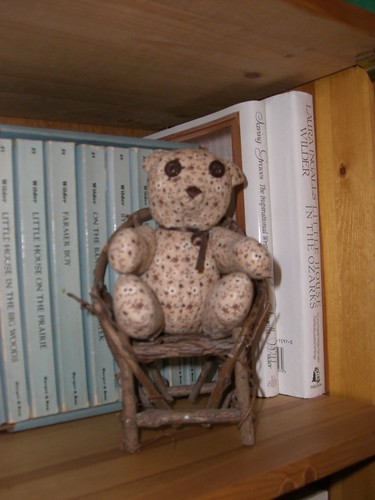
Country bear

  • Needlework of various types. Embroidery, needlepoint, cross stitch. This is one of my favorites, made either when I was expecting my firstborn or not long after he was born:

Needlework bears

You can’t really tell from the picture, but there are different types of stitching in different places and the little cookies are raised rather than flat.

CIMG0557

It was also a very big deal for me then to vary from the pattern: originally the background behind the trees was supposed to be yellow (for sunshine, I guess). But I thought it would look better with blue for the sky. Nowadays I am a bit more comfortable changing something about a pattern.

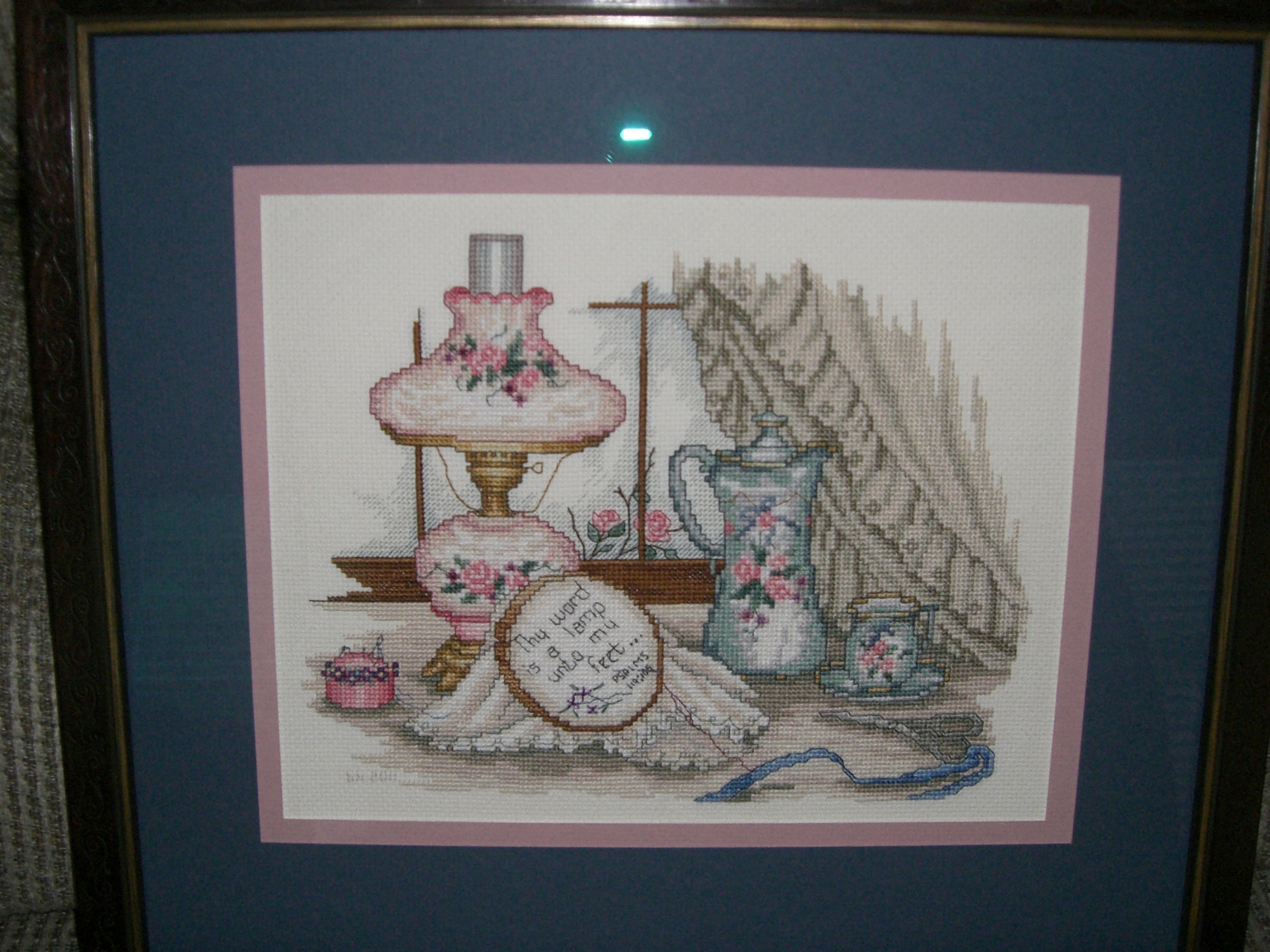
I did a lot of this kind of thing just before having children or when they were little, but as we had more children and they grew, I laid it aside. Most of what I made was either for children or for gifts, so I didn’t really have anything around the house that I had stitched. I’ve just gotten back to it the last few years and enjoy it though it takes reading glasses and a magnifying glass to see it. Here’s a more recent cross-stitched project:
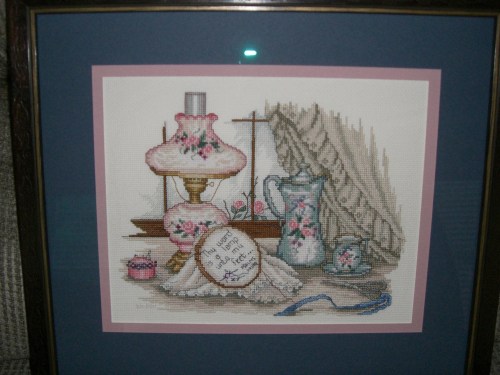
  • Lampshades. I took one of those little college non-credit courses for that. This picture isn’t very clear, but it was fun to cut and then bend the paper (or whatever it was — similar to card stock) so the light shines through. I also stenciled one for the kids’ room.

CIMG0175

  • Quilting. Took a non-credit course in that, too, and I really love the idea of them, but can’t do piecing very well. Lately I’ve seen some that are a little freer than piecing that I may give a whirl some time.
  • Calligraphy. Took another adult ed. class in that and had great plans, but never really got into practicing it regularly. Now I’d rather use fonts on the computer for printing.
  • Smocking. A friend at church endeavored to teach a handful of us. If I’d had girls I probably would have done more with this, but little boy outfits with smocking tended to look too girlish except for very young baby clothes.
  • Cake decorating. Did not get that very well!!! It’s not something that came naturally, and it would’ve taken a lot of practice to get it to really look right, and I’m not motivated to do that for something that’s going to disappear post-haste. We pretty much only have cakes on birthdays, and if it needs to be nicely decorated for a party, I order it from somewhere else. But usually my family just makes do with my not-so-artful “creations.” They say as long as it tastes good, that’s all that matters.
  • Stenciling. That was really big for a while.
  • Stamping was, too, and I did that for a while.
  • Papercrafting, cards and collages:

image0-11.jpg

Fall card

  • Scrapbooking. I’ve done just a smidgen of this and would like to do more.
  • I don’t know if you’d call this “button crafts” or “gluing stuff. 🙂

Heart button wreath

  • Blogging, of course. 🙂
  • Music: I only had one semester of piano one year in college. I would have loved to have grown up with music lessons (I say now — I probably would have disliked practicing as much as the next kid) but either my parents couldn’t afford it or didn’t think it important. I know I could learn now. I thought it was neat to find out that a grandma in our church is taking piano lessons! But I have too many other interests now to develop it to the place where it would be a joy.
  • One stroke painting. Took a couple of classes at Michael’s and would love to do more of that.

Blue snowman ornament

This Christmas ornament is, I think, the only thing I have made with that style of painting besides what I dabbled with on paper. I had a goal one time to make an ornament with every craft I had tried. I haven’t done so with all of them, but have with many. An ornament is actually a good project to try a new craft with because it is a smaller project.

I think I may have taken one class in knitting, but just didn’t get into it. I like the idea when I see sweet baby blankets at showers or cozy sweater patterns. It’s one of those things that I don’t know if I could do well enough to be satisfied.

There are other things I do occasionally but not enough to be called hobbies. I take photos here and there, more so since digital cameras and blogging came along, but not enough to really say it’s a hobby. I plant things occasionally but am not a gardener. I bake sometimes and enjoy the results but not necessarily the process. I don’t know if you can call decorating a hobby. I enjoy it and enjoy poring over decorating magazines and Pinterest, but I don’t change the decor around too much.

So there you have it. Some things I still do, some fell by the wayside, but I think they all taught me something. I mentioned laying aside some things while my children were young: I talked more about that in an article called The Back Burner. Some things have to be put there for a while, but hopefully the simmering will make it even more hearty and flavorful.

What kinds of hobbies have you had? Are there some you regret not keeping up with, and some you’re glad to have abandoned? Do you have one or two main ones, or do you like to dabble in a number of different things?